Sports nutrition database
Wilkinson SB, Tarnopolsky MA, Macdonald MJ, Macdonald JR, Armstrong D, Phillips SM. Consumption of fluid skim milk promotes greater muscle protein accretion after resistance exercise than does consumption of an isonitrogenous and isoenergetic soy-protein beverage top 5 slot machine manufacturers. Am J Clin Nutr. 2007;85:1031–40.
It is widely reported that protein consumption directly after resistance exercise is an effective way to acutely promote a positive muscle protein balance , which if repeated over time should translate into a net gain or hypertrophy of muscle . Pennings and colleagues reported an increase in both the delivery and incorporation of dietary proteins into the skeletal muscle of young and older adults when protein was ingested shortly after completion of exercise. These findings and others add to the theoretical basis for consumption of post-protein sooner rather than later after exercise, since post workout MPS rates peak within three hours and remain elevated for an additional 24–72 h . This extended time frame also provides a rationale for both immediate and sustained (i.e., every 3–4 h) feedings to optimize impact. These temporal considerations would also capture the peak elevation in signalling proteins shown to be pivotal for increasing the initiation of translation of muscle proteins, which for the most part appears to peak between 30 and 60 min after exercise . Finally, while some investigations have shown that a rapid increase in amino acids (aminoacidemia) from a protein dose immediately after or surrounding exercise stimulates increased adaptations to resistance training , others examining competitive strength/power athletes reported no advantage from pre/post supplement feedings compared to similar feedings in morning and evening hours . However, these differences may be related to the type of protein used between the studies. The studies showing positive effects of protein timing used milk proteins, whereas the latter study used a collagen based protein supplement.
Tang JE, Moore DR, Kujbida GW, Tarnopolsky MA, Phillips SM. Ingestion of whey hydrolysate, casein, or soy protein isolate: effects on mixed muscle protein synthesis at rest and following resistance exercise in young men. J App Physiol (Bethesda, Md: 1985). 2009;107:987–92.
Moore DR, Robinson MJ, Fry JL, Tang JE, Glover EI, Wilkinson SB, et al. Ingested protein dose response of muscle and albumin protein synthesis after resistance exercise in young men. Am J Clin Nutr. 2009;89:161–8.

Degrees in sports nutrition
The curriculum at CSP Global is designed to offer both theoretical knowledge and practical application in the nutritional sciences. Students enrolled in the PhD or EdD in Kinesiology with a concentration in Sports Nutrition will take courses that cover a broad range of topics, including:
UCM’s resources, in addition to our recognition by LendEDU as a top-ranked university for low student debt, demonstrate our commitment to helping you get a quality education as part of your master’s degree in Sport Nutrition. For more information on program-specific scholarships, visit UCM Scholarship Finder.
A sports nutrition degree gives students specialized knowledge of how nutrition impacts performance. Take your passion for sports and training to the next level and find a sports nutrition degree using our search below.
The Master’s Degree in Sports Training and Nutrition aims to train students in topics related to physical activity, training and nutrition. Participants will acquire knowledge about personal training, sports supplementation and nutritional coaching, in order to optimize the performance of athletes.
A sports nutrition degree is designed to prepare individuals for specialized careers in the intersection of sports science, exercise physiology, and nutritional health. It emphasizes how nutrition impacts athletic performance, recovery, and overall physical well-being.
Armed sports nutrition
As elite athletes, it is crucial that they can trust that their supplements are free from contamination with any substances that could result in them failing drug tests. Even one banned substance could have lifelong repercussions and cost millions in endorsement deals.
A tactical athlete’s nutrition plan should emphasize protein, carbohydrates, and fluids. These nutrients are needed to fuel energy and to build new muscle tissue. It is also important to limit fat and fibre intake.
A key challenge of optimizing dietary intake is interpreting data from studies. In particular, the volume of evidence suggests that tactical personnel fail to meet energy and carbohydrate recommendations.
Their tests and certification process check appliances, pharmaceuticals and sports supplements against health requirements while maintaining records on any banned substances found within supplements so as to prevent doping.
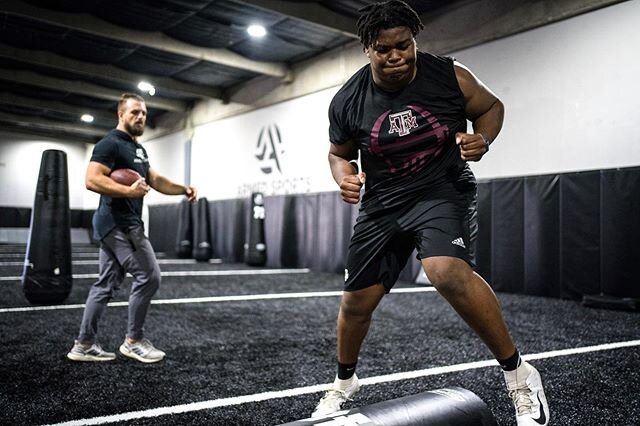
As elite athletes, it is crucial that they can trust that their supplements are free from contamination with any substances that could result in them failing drug tests. Even one banned substance could have lifelong repercussions and cost millions in endorsement deals.
A tactical athlete’s nutrition plan should emphasize protein, carbohydrates, and fluids. These nutrients are needed to fuel energy and to build new muscle tissue. It is also important to limit fat and fibre intake.
International society for sports nutrition
Breen L, Philp A, Witard OC, Jackman SR, Selby A, Smith K, et al. The influence of carbohydrate-protein co-ingestion following endurance exercise on myofibrillar and mitochondrial protein synthesis. J Physiol. 2011;589(Pt 16):4011–25.
Ives SJ, Norton C, Miller V, Minicucci O, Robinson J, O’brien G, et al. Multi-modal exercise training and protein-pacing enhances physical performance adaptations independent of growth hormone and bdnf but may be dependent on igf-1 in exercise-trained men. Growth Hormon IGF Res. 2017;32:60–70.
Joy JM, Lowery RP, Wilson JM, Purpura M, De Souza EO, Wilson SM, et al. The effects of 8 weeks of whey or rice protein supplementation on body composition and exercise performance. Nutr J. 2013;12:86.
Kim IY, Schutzler S, Schrader A, Spencer HJ, Azhar G, Ferrando AA, et al. The anabolic response to a meal containing different amounts of protein is not limited by the maximal stimulation of protein synthesis in healthy young adults. Am J Physiol Endocrinol Metab. 2016;310:E73–80.
Safety assessment and potential health benefits of food components based on selected scientific criteria. ILSI North America technical committee on food components for health promotion. Crit Rev Food Sci Nutr. 1999;39:203–316.